I've Been a Paramedic for 11 Years. After Last Tuesday I Don't Trust the Detector in My Own Hallway Anymore.
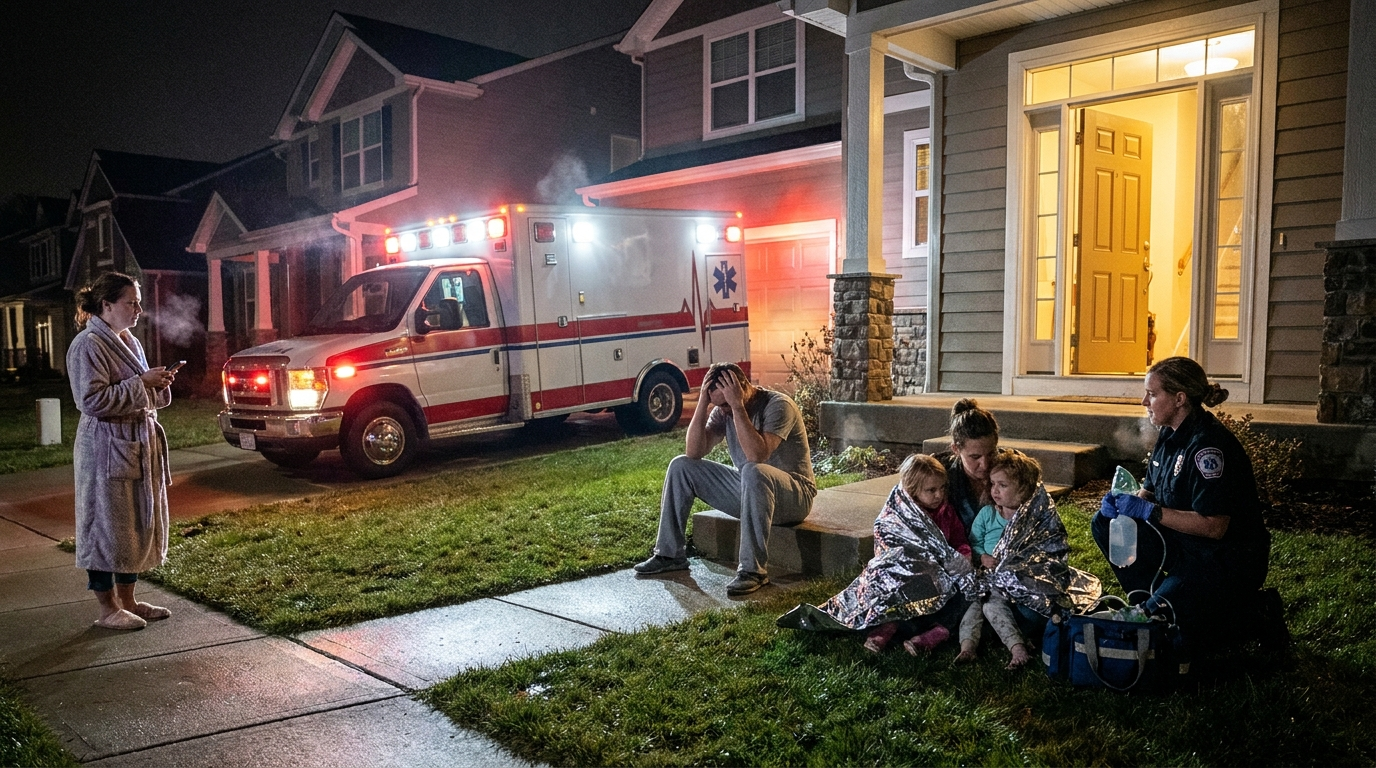
2:14 AM. The call that changed how I look at the green light on every wall in America.
2:14 AM. Tuesday night. Dispatch comes through:
"Family of four. Possible carbon monoxide exposure. Children involved. Ambulance requested."
We pull up to a house on a quiet residential street. Lights still on inside. The front door is hanging wide open. A neighbor is standing on the sidewalk in a robe with a phone pressed to her chest.
The dad is sitting on the front porch steps in sweatpants and a t-shirt. Barefoot. His wife is on the wet grass next to two children wrapped in standard issue grey blankets.
The boy looked about seven. The girl maybe four.
The mom was pale. Her hands wouldn't stop shaking. She'd already thrown up twice on the lawn.
I knelt down next to the kids first. That's protocol. In a CO call, children are always the priority.
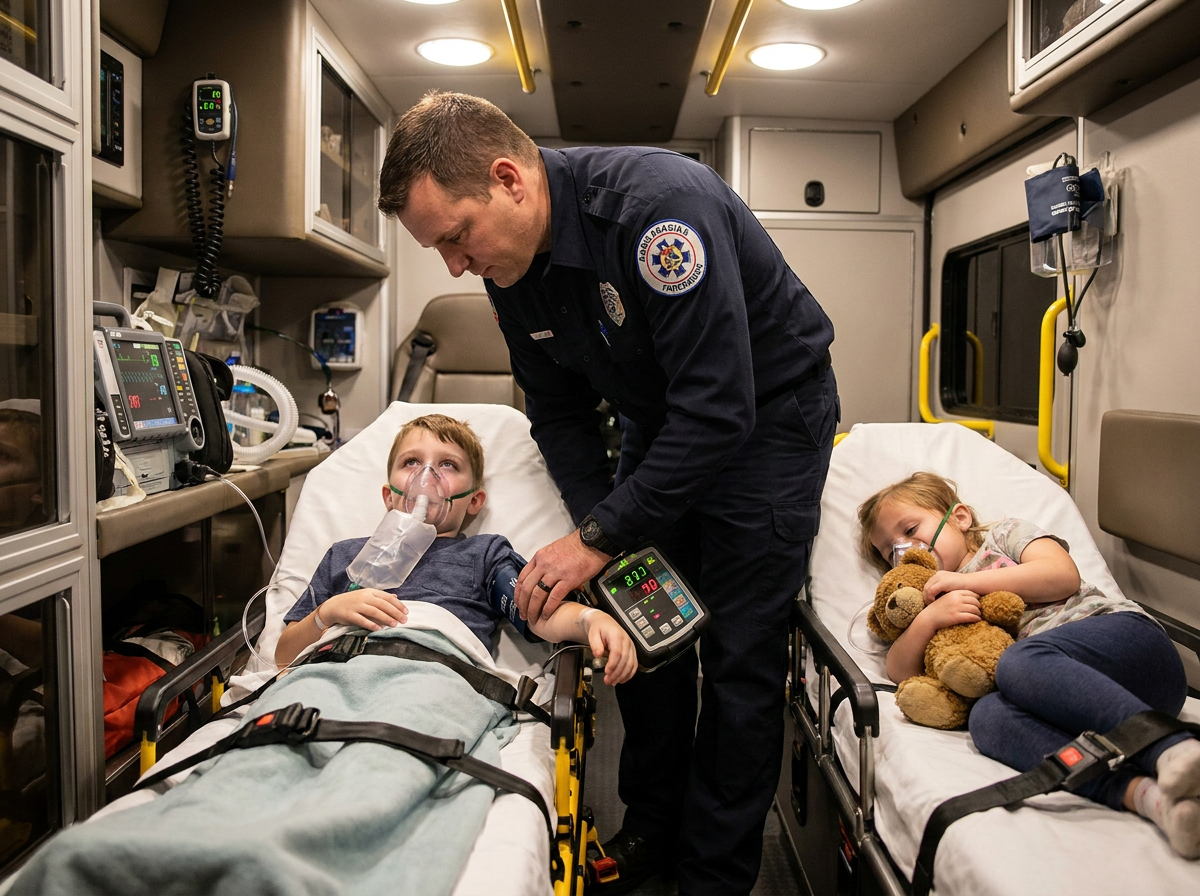
In the back of the rig, both kids on oxygen. The boy could still talk. His sister just kept saying her head hurt.
The boy was conscious but sluggish. Delayed responses. Glassy eyes. His sister was crying but couldn't tell me why. She kept repeating one sentence: "My head hurts."
Classic CO presentation in pediatric patients. Headache. Confusion. Nausea. Irritability the parents can't explain.
Most People Think Carbon Monoxide Poisoning Looks Dramatic. It Doesn't.
It doesn't look like collapse, unconsciousness, sirens.
It looks like a four-year-old who can't put words to why she feels wrong. A dad who thinks he's catching the flu. A mom who blames dinner for her nausea.
It builds so quietly that by the time anyone realizes something is actually happening, their own brain is too compromised to respond clearly to it.
I got all four of them on oxygen. Ran vitals. The dad's carboxyhemoglobin level was elevated. The mom's was worse. Both kids were symptomatic.
They'd been breathing carbon monoxide in their sleep for hours.
Then a Firefighter Came Outside Holding Something
While I was working in the back of the rig, one of the firefighters came out of the house. In his hand was a carbon monoxide detector. He'd just pulled it off the hallway wall.
"Brand new," he said. "Green light still on. Completely silent."
He held up his portable meter. 64 PPM in the hallway where the detector was mounted.
I looked back at the dad.
"You have a CO detector."
"Bought it when we moved in," he said. "Six months ago. I test it every single month."
"And it never went off tonight."
"No."
He looked at his daughter on the stretcher. Then back at me.
"I did everything right. I bought the detector. I tested it. The green light was on every single time I checked."
I've heard that exact sentence more times than I can count. In driveways at 3 AM. In hospital corridors. In living rooms with a coroner's truck still parked outside.
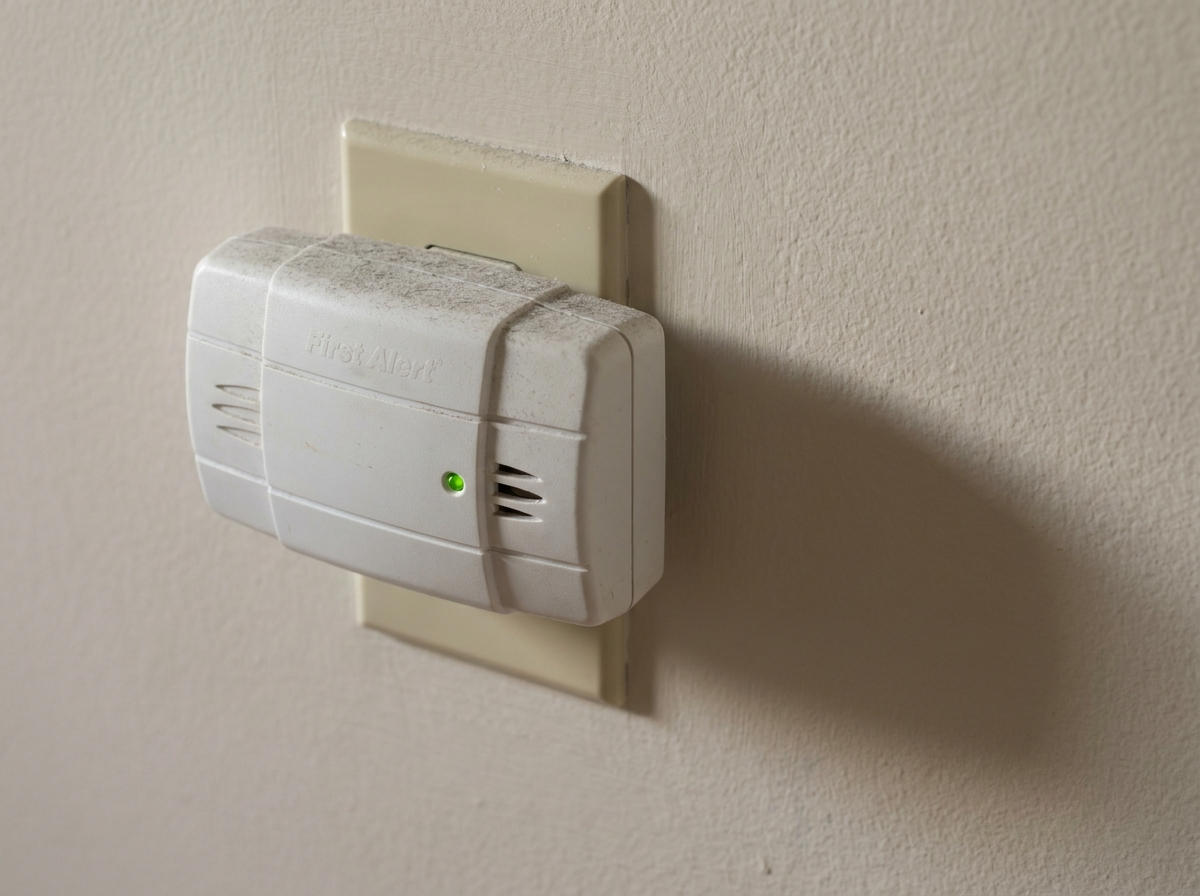
Brand new. Working perfectly. Green light on. 64 PPM in the same hallway. Silent.
Here's What I Didn't Know Until After That Call
The detector on his wall was working perfectly. Brand new sensor. Good battery. Fully functional.
It didn't alarm because it wasn't required to.
The UL 2034 standard that governs nearly every residential CO detector sold in America sets the alarm threshold at 70 parts per million. Below that, the detector is allowed to stay completely silent.
64 PPM in a hallway where two children were sleeping thirty feet away. And the detector was doing exactly what it was certified to do.
Nothing.
Here's what I know from the medical side:
At 30 PPM, a healthy adult starts developing headaches within a few hours. Most people sleep seven to eight hours. A slow leak that holds at 30 PPM all night means you wake up with a headache you blame on dehydration or stress.
At 40 to 50 PPM, the World Health Organization recommends no more than 30 minutes of exposure. A child breathing that level for six hours while sleeping is in serious medical danger. Smaller bodies absorb CO faster. Higher respiration rate relative to body weight. Less capacity to compensate.
At 60 PPM, I'm putting oxygen masks on people and transporting them to the ER.
And the detector on the wall? Silent through all of it. Green light glowing. Certified. Approved. Working as designed.
That's not a gap in the system. That IS the system.
What the Test Button Doesn't Actually Test
When I got home that morning, my own kids were still asleep. I stood in the hallway and looked at our detector.
Same shape. Same green light. Same brand you'd find in any house on the street.
I'd tested it a few weeks earlier. Pressed the button. It beeped. I walked away believing I'd just confirmed it was working.
Then I learned something that I can't unlearn.
You can have a dead sensor and the test button will beep every single time. And the green light? That's a power indicator. It confirms the unit is receiving electricity. That's all.
It doesn't tell you what's in your air. It doesn't confirm the sensor is active. It doesn't differentiate between 0 PPM in your hallway and 50 PPM in your child's bedroom.
I'm a paramedic. I've treated CO patients for over a decade. And I was trusting the same green light as everyone else.
That bothered me more than anything that happened on that call.
The Patients You Never Hear About
I've been doing this long enough to know something most people don't want to hear.
The families I treat in the back of an ambulance aren't the unlucky ones. The unlucky ones are the families who never call 911 at all.
Because most CO exposure doesn't end in a 2 AM emergency. It ends in months of headaches nobody can explain. Fatigue that gets blamed on work stress. A pregnant woman who assumes the nausea is normal. Kids who wake up every morning a little off and nobody knows why.
It ends with a routine HVAC technician showing up in November for a furnace check — and finding something the detector on the wall had been hiding for eight straight months.
I've heard that version more times than the dramatic one.
So I Did What Anyone Should Do When They Realize They've Been Trusting the Wrong Thing
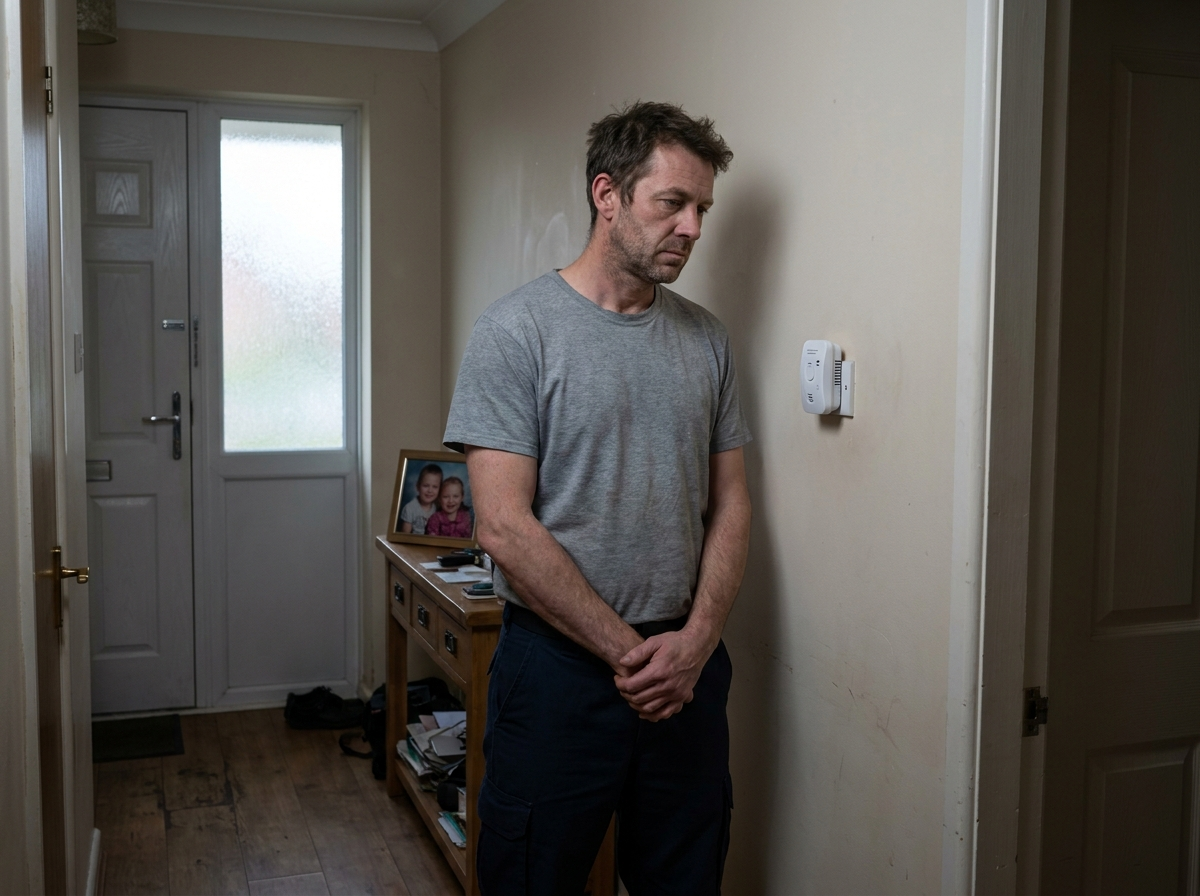
7:42 AM the next morning. My own hallway. Same detector that's in 9 out of 10 American homes.
I started asking around. One of the firefighters I work with regularly, Mike Daniels, told me his brother-in-law is an HVAC tech. Twenty years in the field. He sees cracked heat exchangers and slow furnace leaks every single week.
Mike's brother-in-law won't let his own family sleep in a house with a standard detector. Hasn't for years.
He uses something called ProSense Home.
Plug-in detector with a real-time digital display. Shows the actual PPM reading for carbon monoxide and natural gas. Not a light. A number. Right there on the wall, updated every second.
And the alarm threshold? 10 PPM. Not 70.
No four-hour delay window. No silence at levels that are already sending families to my stretcher.
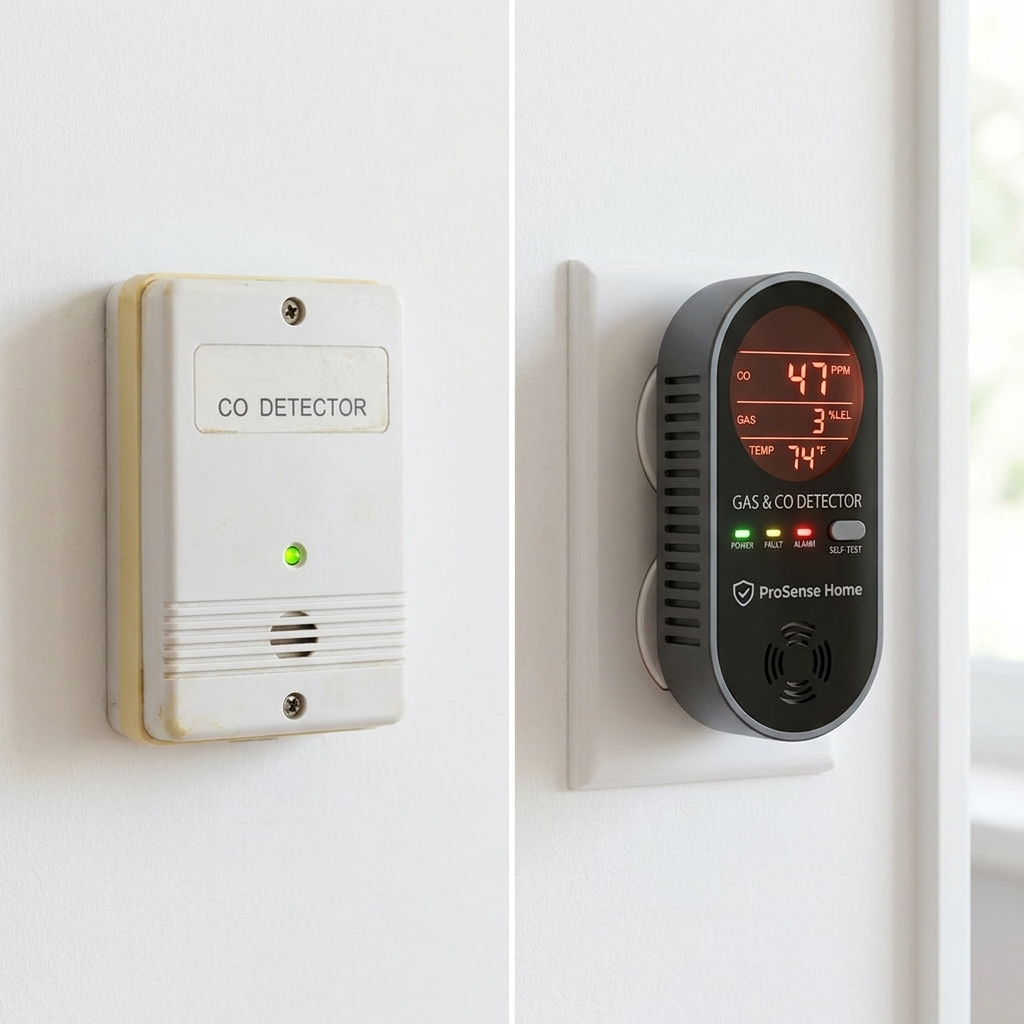
Left: same kind of detector that family had on their wall. Right: my new one, plugged in 9 minutes later. 47 PPM in my basement. Eight months I'd been walking past that green light.
I Plugged Mine In Nine Minutes After Unboxing
I put one in our hallway. One in each kid's room. One in the basement near the furnace. One in the kitchen.
Within an hour, the basement unit was reading 47 PPM.
For eight months, every time my furnace fired up, my family had been breathing in low-grade carbon monoxide. The old detector on the wall a few feet away never made a sound. Green light. Steady. Silent.
HVAC came out two days later. Hairline crack in the heat exchanger. The kind that doesn't show up on a visual inspection. The kind that leaks at 30-50 PPM every cycle and never triggers a UL-certified detector.
If I hadn't plugged that new unit in that morning, we would have kept breathing it through the rest of the heating season. Maybe into next winter. Maybe until someone got sick enough to land on someone else's stretcher.

The ProSense Home Detector
Real-time CO, natural gas, propane and temperature readings from 0 PPM. Plug it into any wall outlet. Setup takes less than a minute. No tools. No electrician. No ladder.
- Live digital display from 0 PPM — see the actual number on the wall, every second
- Alarms at 10 PPM, not 70 — hours before standard detectors
- 4-in-1 sensor — CO, natural gas, propane, temperature
- 30-second setup — plug in. That's it.
- UL 2034 + ETL certified — meets the strictest North American standards
- Lifetime guarantee + 90-day money back